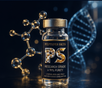
CJC-1295 with DAC (5mg / 10mg) Extended Half-Life GHRH Analogue
$39.00 USD
CJC-1295 with DAC Peptide: Research Grade
CJC-1295 with DAC is a specialized synthetic analog of Growth Hormone–Releasing Hormone (GHRH), engineered with a Drug Affinity Complex (DAC) to support extended stability in controlled laboratory environments. This peptide is prepared exclusively for in-vitro research, analytical studies, and experimental model development.
At Peptides Skin, CJC-1295 with DAC is supplied for laboratory research use only. Batch-specific documentation may be requested after purchase for manual verification.
Product Overview: Understanding CJC-1295 with DAC
CJC-1295 is a tetrasubstituted 30-amino-acid peptide analog. The integration of the Drug Affinity Complex (DAC) is designed to support enhanced stability during laboratory handling and in-vitro analysis. This modification helps protect the peptide from rapid breakdown in experimental environments, enabling extended observation intervals during research protocols.
- Format: Lyophilized Powder (White)
- Grade: Research / Laboratory Use Only
- Solubility: Water, Saline, Bacteriostatic Water
Technical Specifications
| Parameter | Specification |
|---|---|
| Peptide Name | CJC-1295 with DAC |
| Synonyms | DAC:GRF, Drug Affinity Complex GHRH |
| Molecular Formula | C165H269N47O46 |
| Molecular Weight | 3647.28 g/mol |
| Sequence | Peptide sequence provided for reference in laboratory analysis. |
| Appearance | Sterile Filtered White Lyophilized Powder |
What Is the Drug Affinity Complex (DAC)?
The Drug Affinity Complex is a chemical linker added to the peptide structure to support enhanced stability during laboratory workflows. This modification is designed to reduce rapid enzymatic breakdown commonly observed with unmodified GHRH analogs in research settings, enabling extended intervals for analytical observation.
CJC-1295 with DAC vs. CJC-1295 Without DAC
Researchers often compare the DAC-modified version with the shorter-fragment analog (Mod GRF 1-29). The primary distinction lies in stability during laboratory analysis:
- Mod GRF 1-29 (Without DAC): Designed for short-interval observations; typically undergoes rapid degradation in vitro.
- CJC-1295 with DAC: Engineered to support longer experimental timelines due to improved stability from the DAC modification.
Research Applications
CJC-1295 with DAC is frequently utilized in controlled laboratory research focused on:
- Studying peptide stability under extended analytical conditions
- Investigating structural interactions in peptide–protein binding models
- Evaluating in-vitro biochemical pathways influenced by GHRH analogs
- Developing long-duration research protocols requiring consistent molecular presence
Storage & Handling Guidelines
To maintain integrity during research workflows:
- Lyophilized State: Store at −20°C. Stable for long-term laboratory archiving.
- After Reconstitution: Store at 4°C and use within standard laboratory stability windows (typically 2–4 weeks).
- Avoid Freeze–Thaw Cycles: Repeated freezing and thawing may affect structural stability.
Why Choose Peptides Skin for Research Peptides?
- Reliable Supply: Consistent inventory for B2B and bulk research needs.
- Professional Packaging: Temperature-conscious and secure shipment protocols.
RESEARCH USE ONLY — NOT FOR HUMAN OR VETERINARY USE.
This product is intended exclusively for laboratory experimentation, analytical studies, and in-vitro research. It is not approved for diagnostic, therapeutic, or consumptive applications. Appropriate laboratory safety procedures and handling protocols must be followed at all times.
This product is intended exclusively for laboratory experimentation, analytical studies, and in-vitro research. It is not approved for diagnostic, therapeutic, or consumptive applications. Appropriate laboratory safety procedures and handling protocols must be followed at all times.
FAQ — CJC-1295 with DAC (Research Use Only)
What distinguishes CJC-1295 with DAC from Mod GRF 1-29?
CJC-1295 with DAC includes a stability-enhancing linker designed for extended laboratory studies, while Mod GRF 1-29 is suited for short-duration research due to its rapid breakdown in vitro.
How should this peptide be stored?
Lyophilized powder should be kept at −20°C. After reconstitution, store at 4°C and avoid freeze–thaw cycles to maintain structural integrity.
What is the purpose of the DAC component?
The DAC linker supports enhanced stability during laboratory workflows by reducing susceptibility to enzymatic degradation in research environments.
Is this product intended for human or veterinary use?
No. It is strictly for laboratory and in-vitro research purposes only.
CJC-1295 with DAC (5mg / 10mg) Extended Half-Life GHRH Analogue for Laboratory Research
CJC-1295 with DAC (5mg / 10mg) Extended Half-Life GHRH Analogue is supplied as a catalog research material for qualified laboratory, analytical, and non-clinical workflows. The product is provided for controlled study of its documented chemical identity and research properties, with the available strength and pack options shown above.
Research focus
Relevant catalog terms for this material include CAS 863288-34-0, CJC 1295 DAC, CJC-1295 with DAC, Extended Half-Life, GH Secretagogue. Experimental conclusions depend on the assay, model, lot identity, and conditions selected by the research team.
Quality and documentation
Products are supplied with research-use documentation where available. For a batch-specific Certificate of Analysis, request the COA by email and include the product name, order details, or lot number so the correct record can be matched. Review identity, purity, analytical method, and measured content as separate results.
Storage and handling
Keep the sealed material dry, protected from light, and within the storage conditions stated on the label and applicable batch documentation. Preparation, assay design, and disposal must follow the qualified laboratory's established procedures.
USA shipping and order handling
Orders are verified and prepared within 2 business days before shipment. Economy shipping is $9.99 with estimated delivery in 5–8 business days; Standard shipping is $18.99 with estimated delivery in 3–4 business days. Tracking is emailed after dispatch. See the Shipping Policy for current terms.
Frequently asked questions
Is a COA available?
Batch-specific documentation can be requested by email. Include your order or lot information so the correct record can be matched.
What is the product supplied for?
It is supplied strictly for laboratory research and analytical use. It is not a drug, food, supplement, cosmetic, or medical product.
Is it for human or veterinary use?
No. Research materials from this catalog are not intended for human or animal consumption, diagnosis, treatment, or disease prevention.
What this page makes clear
Clear identityKnow which research material you are viewing
Bulk optionsChoose 1, 5, or 10 vial packs where available
Technical detailsKey product information in one place
Research use onlyClear intended-use notice
COA requestsRequest by email for manual review
Order supportHelp with orders and documentation
Frequently Asked Questions
What is supplied?
This listing is for CJC-1295 with DAC (5mg / 10mg) Extended Half-Life GHRH Analogue. Review the product description and selected options for listing-specific details.
Where can I check the product options?
Use the selectors above to review the options and price for your selection before checkout.
Can I request a batch-specific COA?
After purchase, enter your email in the request form. Our team manually checks the order and lot, then emails the matching COA.
Is this product for human or veterinary use?
No. It is supplied strictly for laboratory research and analytical work, not for human or veterinary use.